

Erectile Dysfunction
What is Erectile Dysfunction?
Erectile dysfunction (ED), also known as impotence, is the persistent difficulty in achieving or maintaining an erection firm enough for sexual activity.
Occasional trouble with erections is normal and not usually a cause for concern. However, if the issue persists, it can lead to emotional stress, impact your self-esteem, and strain relationships. Additionally, ongoing erection difficulties may indicate an underlying health issue that needs attention and could be a warning sign of heart disease.
If you’re experiencing erectile dysfunction, it’s important to seek medical advice, even if you feel embarrassed. Addressing any underlying conditions can sometimes resolve the issue. In other cases, medications or targeted treatments may be required.
Symptoms
Common signs of erectile dysfunction include:



When to Consult a Physiotherapist
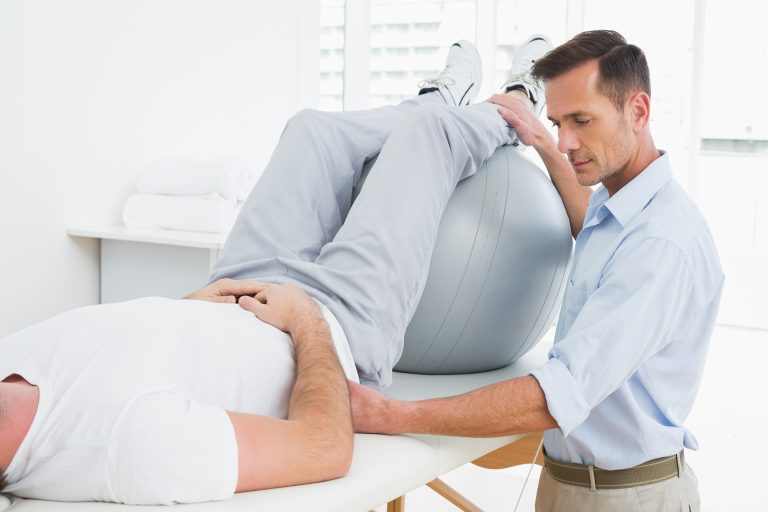
A physiotherapist can be a valuable resource when dealing with erectile problems. You should see one if:
- You are worried about your ability to maintain an erection or are experiencing other sexual issues like premature or delayed ejaculation.
- You have other symptoms along with erectile dysfunction.(pelvic pain etc.)
Causes
Sexual arousal in men is a complex process involving the brain, hormones, emotions, nerves, muscles, and blood vessels. Erectile dysfunction can occur due to a problem with any of these areas. Mental health issues such as stress can also contribute to or worsen ED.
Often, ED arises from both physical and psychological factors. For instance, a minor physical issue that affects sexual response may create anxiety about performance, which can worsen the condition.
Physical Causes of Erectile Dysfunction

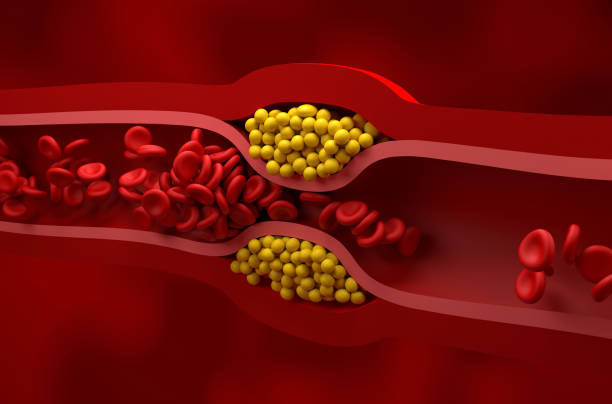



ED is often caused by physical factors, including:
- Heart disease
- Blocked blood vessels (atherosclerosis)
- High cholesterol
- High blood pressure
- Diabetes
- Obesity
- Metabolic syndrome (characterized by high blood pressure, high insulin levels, abdominal fat, and elevated cholesterol)
- Parkinson’s disease
- Multiple sclerosis
- Certain medications
- Smoking
- Peyronie’s disease (scar tissue inside the penis)
- Alcoholism and substance abuse
- Sleep disorders
- Prostate cancer treatments or surgery
- Pelvic or spinal cord injuries
- Low testosterone levels

Psychological Causes of Erectile Dysfunction
The brain plays a key role in initiating the physical events that lead to an erection, starting with sexual arousal. Several psychological factors can interfere with sexual feelings and contribute to ED, including:
- Depression, anxiety, or other mental health conditions
- Stress
- Relationship problems related to stress, communication issues, or other concerns

Risk Factors
As men age, achieving and maintaining an erection may take longer, and the erections may not be as firm. Physical touch may become more necessary to stimulate an erection. Several factors can increase the risk of developing erectile dysfunction:
- Medical conditions, especially diabetes or heart problems
- Smoking, which restricts blood flow over time and leads to chronic health conditions that may cause ED
- Obesity or being overweight
- Certain medical treatments, such as prostate surgery or radiation therapy
- Injuries that damage the nerves or arteries controlling erections
- Medications, such as antidepressants, antihistamines, and treatments for high blood pressure or prostate conditions
- Psychological issues like stress, anxiety, or depression
- Long-term use of alcohol or drugs

Complications
ED can lead to several complications, such as:
- An unsatisfactory sexual experience
- Emotional stress or anxiety
- Low self-esteem or embarrassment
- Relationship difficulties
- Difficulty in getting your partner pregnant

Prevention
Preventing erectile dysfunction is best achieved by making healthy lifestyle choices and managing any pre-existing medical conditions. You can take the following steps to lower your risk:
- Work closely with your doctor to control chronic conditions like diabetes or heart disease.
- Have regular check-ups and medical screenings.
- Quit smoking, limit alcohol consumption, and avoid illegal substances.
- Stay physically active and exercise regularly.
- Manage stress effectively.
- Seek professional help for anxiety, depression, or other mental health concerns.

Diagnosis
For many individuals, a physical examination combined with a discussion about medical history is often sufficient for a doctor to diagnose erectile dysfunction (ED) and suggest an appropriate treatment. However, if you have ongoing health issues or if the doctor suspects an underlying condition, further tests or consultations with specialists might be required.
Tests to detect underlying conditions may include:
- Physical examination: This involves a thorough evaluation of the penis, testicles, and assessing nerve sensations.
- Blood tests: A blood sample may be analyzed to identify signs of heart disease, diabetes, low testosterone levels, or other medical conditions.
- Urine tests (urinalysis): Similar to blood tests, these help in detecting diabetes and other potential underlying health issues.
- Ultrasound: Typically performed by a specialist, this test uses a transducer to visualize the blood flow to the penis. It helps identify any issues related to blood circulation. Sometimes, it’s combined with an injection of medication into the penis to induce an erection.
- Psychological evaluation: The doctor may ask about mental health concerns, screening for issues like depression, which can contribute to erectile dysfunction.

Treatment
Initially, the doctor will ensure you’re receiving the appropriate treatment for any underlying health problems that may be contributing to or worsening ED.
Depending on the cause, severity, and other health conditions, various treatment options might be available. Your doctor will discuss the risks and benefits of each, considering your preferences, and those of your partner, if applicable.
Oral Medications
For many men, oral medications are an effective solution for ED. These include:
- Sildenafil (Viagra)
- Tadalafil (Cialis)
- Vardenafil (Levitra, Staxyn)
- Avanafil (Stendra)
These drugs enhance the effects of nitric oxide, a natural substance that relaxes penile muscles, promoting increased blood flow and enabling an erection in response to sexual stimulation.
It’s important to note that these medications do not automatically induce an erection. Sexual stimulation is still necessary. The medication amplifies the body’s natural processes, restoring typical penile function in some individuals. They are not aphrodisiacs and are not intended for individuals with normal erectile function.
The dosage, duration of effectiveness, and potential side effects (such as flushing, nasal congestion, headaches, vision changes, backaches, and stomach discomfort) vary among these medications. Your doctor will determine which one may be the most suitable for your situation.
It’s crucial to consult your doctor before using any medication, including over-the-counter supplements or herbal remedies, as these treatments may not work for everyone. They might also be less effective for certain conditions, like after prostate surgery or in individuals with diabetes. Furthermore, some medications can be unsafe if you:
- Take nitrate medications (commonly prescribed for chest pain).
- Have heart disease or heart failure.
- Have low blood pressure (hypotension).
Other Medications
Additional treatments for ED include:
- Alprostadil self-injection: In this method, a fine needle is used to inject alprostadil (Caverject, Edex) into the base or side of the penis. Other medications, such as phentolamine, may be used alone or in combination. The goal is to create an erection lasting no longer than an hour.
- Alprostadil urethral suppository: This involves inserting a small alprostadil suppository into the penile urethra. The erection typically begins within 10 minutes and can last 30 to 60 minutes.
- Testosterone replacement: For individuals with low testosterone levels, testosterone therapy may be recommended as an initial or complementary treatment.
Penis Pumps, Surgery, and Implants
If medications are ineffective, alternative treatments include:
- Penis pumps: A vacuum erection device that draws blood into the penis, maintained with a tension ring.
- Penile implants: Surgical insertion of devices into the penis, either inflatable or bendable rods, is an option when other treatments fail.

Physiotherapy for Erectile Dysfunction (ED)
If you are looking for non-invasive and non-medication treatment, men’s health physiotherapy will be a great choice for you.
- Kegel Exercise Training: Strengthens pelvic floor muscles, improving blood flow and erectile function.
- E-Stimulation for Pelvic Floor: Uses electrical stimulation to activate and strengthen pelvic floor muscles, enhancing muscle tone for better erectile support.
- Stop-Start Technique: Teaches men to control ejaculation by stopping stimulation before reaching climax, promoting confidence and improved erectile function.
- Squeeze Technique: Involves squeezing the shaft of the penis to reduce arousal and extend time before ejaculation, which can also support better erectile function.
- Shockwave Therapy: Non-invasive treatment that uses acoustic waves to improve blood circulation and stimulate tissue regeneration in the penis, leading to enhanced erectile function.
- Penile Pump: A vacuum device that helps increase blood flow to the penis, creating an erection. It can be an effective tool for men with ED, especially when used regularly.
- Perineal Massage: Targets the perineum (the area between the scrotum and anus) to relieve tension in pelvic muscles, improving blood flow and erectile function.
Exercise
Recent research indicates that moderate to vigorous aerobic exercise can improve erectile dysfunction. Even mild physical activity may reduce the risk of ED, so incorporating regular exercise into your routine can be beneficial.
Psychological Counseling
If ED is related to psychological factors, such as stress, anxiety, or depression, your doctor might suggest therapy, either for you or you and your partner.
Lifestyle and Home Remedies
Lifestyle changes can significantly impact erectile dysfunction. Helpful steps include:
- Quit smoking: If you smoke, seek help to stop.
- Lose weight: Excess weight can contribute to ED.
- Exercise: Regular physical activity can help improve underlying conditions that affect ED.
- Limit alcohol and avoid drugs: Excessive drinking and certain drugs can worsen ED.
Coping and Support
ED can cause emotional strain for both you and your partner. Consider these tips:
- Stay positive: Don’t assume that ED will be a long-term issue.
- Communicate with your partner: Open communication can help ease concerns.
- Address mental health: Talk to your doctor or a counselor about any stress or anxiety you may have.
CARE AT VIGOR
Your Vigor Care Team
At Vigor Men’s Pelvic Health Centre, our team includes specialists with advanced training in Erectile Dysfunction. They focus on diagnosing and treating erectile dysfunction, bringing extensive experience to patients who have previously undergone unsuccessful treatments.
Advanced Diagnosis and Treatment
Our researchers are dedicated to enhancing the diagnosis and treatment of erectile dysfunction. We are actively investigating the effectiveness of different exercises and protocols to effectively treat erectile dysfunction issues.
Location
We are located at Mid Valley Kuala Lumpur:
Vigor Men’s Pelvic Health Centre
Unit 1-10, Level 10, Boulevard 1&3,
Mid Valley City, Lingkaran Syed Putra,
59200, Kuala Lumpur,
Malaysia.

Premature ejaculation
Premature ejaculation is when a man ejaculates (releases semen) sooner than desired during sexual activity. It is a prevalent sexual concern, with approximately one in three men experiencing it at some point.
If premature ejaculation occurs infrequently, it usually isn’t a cause for alarm. However, a diagnosis of premature ejaculation may be considered if you:
- Consistently ejaculate within 1 to 3 minutes after penetration.
- Find it difficult to delay ejaculation during sex most of the time.
- Experience distress and frustration, leading to avoidance of sexual intimacy.
Fortunately, premature ejaculation is treatable. Various options, including medications, counseling, and techniques designed to prolong ejaculation, can enhance sexual experiences for both you and your partner.
Symptoms
The primary indicator of premature ejaculation is the inability to delay ejaculation for more than three minutes after penetration. This issue can arise in all sexual contexts, including masturbation.
Premature ejaculation can be categorized as:
- Lifelong: Occurs consistently from the first sexual encounter.
- Acquired: Develops after previously having no issues with ejaculation during sex.
Many individuals may feel they exhibit symptoms of premature ejaculation, but those symptoms may not fulfill the diagnostic criteria. It’s normal to experience early ejaculation occasionally.
When to seek a healthcare professional?
Consult your healthcare provider if you frequently ejaculate sooner than desired during sexual encounters. While it’s natural to feel embarrassed about discussing sexual health issues, don’t hesitate to bring it up. Premature ejaculation is common and can be treated.
Talking with a healthcare professional may help alleviate your concerns. It might be comforting to know that experiencing premature ejaculation from time to time is typical, and the average time from the start of intercourse to ejaculation is about five minutes.
Causes
The exact reasons for premature ejaculation remain unclear. It was once believed to be purely psychological, but healthcare providers now recognize that it arises from a complex interplay of psychological and biological factors.
Psychological Factors
Potential psychological contributors include:
- Early sexual experiences
- History of sexual abuse
- Low self-esteem
- Depression
- Anxiety about premature ejaculation
- Feelings of guilt that prompt hasty sexual activity
Other contributing factors may include:
- Erectile Dysfunction: Anxiety regarding achieving or maintaining an erection can lead to a pattern of rushing to ejaculate, which can be challenging to change.
- Anxiety: It is common for anxiety to accompany premature ejaculation, whether related to sexual performance or other concerns.
- Relationship Issues: Difficulties in relationships may contribute to premature ejaculation, especially if it has not been a frequent occurrence in past partnerships.
Biological Factors
Several biological elements may influence premature ejaculation, including:
- Hormonal imbalances
- Irregularities in brain chemicals
- Inflammation or infection of the prostate or urethra
- Genetic predispositions
Risk Factors
Certain factors may heighten the likelihood of premature ejaculation, including:
- Erectile Dysfunction: Individuals with difficulties in achieving or maintaining an erection may be at a greater risk of premature ejaculation, as the fear of losing an erection can lead to rushing during sex, often unconsciously.
- Stress: Emotional or mental stress in any aspect of life can contribute to premature ejaculation, as it can hinder the ability to relax and concentrate during sexual activity.
Complications
Premature ejaculation can lead to challenges in personal relationships, which may include:
- Stress and Relationship Issues: Relationship stress is a common consequence of premature ejaculation.
- Fertility Concerns: In some cases, premature ejaculation can make it difficult for a partner to conceive, particularly if ejaculation does not occur inside the vagina.

Diagnosis
During your visit, our healthcare professional will inquire about your sexual history and overall health. A physical examination may also be conducted. In certain cases, a referral to a urologist or a mental health specialist who focuses on sexual health issues might be suggested.
Treatment
There are various treatment methods available for premature ejaculation, including behavioral therapies, medications, and counseling. Finding the right treatment or combination of treatments may take some time. Often, combining behavioral strategies with medication yields the best results.
Behavioral Techniques
Therapeutic approaches for premature ejaculation can include straightforward practices. For instance, you may be advised to masturbate an hour or two before sexual intercourse, which can help you learn to delay ejaculation when with your partner.
Your healthcare provider might also recommend a temporary abstinence from intercourse. Focusing on other forms of sexual intimacy can alleviate pressure during sex.
Pelvic Floor Exercises
Weak pelvic floor muscles can hinder your ability to control ejaculation. Engaging in pelvic floor exercises, also known as Kegel exercises, can strengthen these muscles.
How to Perform Kegel Exercises:
- Identify the Muscles: Locate your pelvic floor muscles by attempting to stop urination midstream or by tightening the muscles that prevent gas from passing. Once identified, these muscles can be exercised in any position, though starting while lying down may be easier.
- Practice the Technique: Tighten your pelvic floor muscles for three seconds, then relax for three seconds. Repeat this several times in succession. As your muscles strengthen, you can try doing Kegel exercises while sitting, standing, or walking.
- Stay Focused: For optimal results, concentrate on isolating your pelvic floor muscles. Avoid engaging your abdomen, thighs, or buttocks, and breathe freely throughout the exercises.
- Consistency is Key: Aim for at least three sets of 10 repetitions daily.
The Pause-Squeeze Technique
You and your partner may be instructed to try the pause-squeeze technique, which involves the following steps:
- Begin sexual activity, including stimulation, until you feel close to ejaculation.
- At that point, either you or your partner can squeeze the base of the penis where the head meets the shaft, maintaining pressure for several seconds until the urge to ejaculate subsides.
- Repeat this process as necessary. With practice, you may find that you can enter your partner without ejaculating.
If the pause-squeeze technique causes discomfort, the stop-start technique may be an alternative. This method involves halting stimulation just before ejaculation, waiting for arousal to decrease, and then starting again.
Condoms
Using condoms may reduce sensitivity, helping to delay ejaculation. Specialized “climax control” condoms are available over-the-counter and contain numbing agents like benzocaine or lidocaine to assist in prolonging ejaculation. Some are also thicker latex options, such as Trojan Extended Pleasure and Durex Prolong.
Medications
Topical Numbing Agents
Creams, gels, and sprays that contain numbing agents such as benzocaine, lidocaine, or prilocaine can be effective for premature ejaculation. Applied to the penis 10 to 15 minutes before sexual activity, they help reduce sensation and delay ejaculation. While many are available over-the-counter, a cream containing both lidocaine and prilocaine (EMLA) requires a prescription.
While topical numbing agents are generally well-tolerated, they may lead to reduced sensation and sexual pleasure for both partners.
Oral Medications
Several medications can help delay orgasm. Although not specifically approved by the FDA for premature ejaculation, some are used for this purpose, including antidepressants, pain relievers, and medications for erectile dysfunction.
These may be prescribed for occasional use or daily, either alone or in conjunction with other therapies.
- Antidepressants: Some antidepressants, particularly selective serotonin reuptake inhibitors (SSRIs), have the side effect of delaying orgasm. SSRIs such as paroxetine (Paxil, Pexeva, Brisdelle), escitalopram (Lexapro), citalopram (Celexa), sertraline (Zoloft), or fluoxetine (Prozac) are commonly used for this purpose. In some countries, dapoxetine is utilized as a primary treatment, although it is not available in the U.S. Among the FDA-approved medications, paroxetine appears to be the most effective, typically requiring 5 to 10 days to start working, with full effects seen after 2 to 3 weeks.
If SSRIs are ineffective, your healthcare provider may prescribe clomipramine (Anafranil), a tricyclic antidepressant. Possible side effects include nausea, sweating, drowsiness, and reduced libido.
- Pain Relievers: Tramadol (Ultram, Conzip, Qdolo) is primarily a pain medication that can also delay ejaculation, typically prescribed when SSRIs prove ineffective. Tramadol should not be taken with SSRIs and may cause side effects like nausea, headache, drowsiness, and dizziness, with the potential for habit formation with long-term use.
- Phosphodiesterase-5 Inhibitors: Some erectile dysfunction medications, including sildenafil (Viagra), tadalafil (Cialis, Adcirca), avanafil (Stendra), and vardenafil, may also help with premature ejaculation. Side effects can include headache, facial flushing, and indigestion, and these medications may work better when combined with an SSRI.
Potential Future Treatments
Research is ongoing into various medications that may assist in treating premature ejaculation, including:
- Modafinil (Provigil): Typically used for narcolepsy.
- Silodosin (Rapaflo): Treats prostate enlargement.
- OnabotulinumtoxinA (Botox): Investigated for potential effectiveness when injected into ejaculation-related muscles.
Counseling
This therapeutic approach involves discussions with a mental health professional about your relationships and experiences. Counseling can help alleviate performance anxiety and equip you with healthier coping mechanisms for stress. It is often most effective when combined with medication.
Premature ejaculation can affect intimacy, leading to feelings of anger, shame, and frustration for both partners. Open communication about the issue is vital. Relationship counseling or sex therapy may also provide significant benefits.
CARE AT VIGOR
Premature Ejaculation Care at Vigor Men’s Pelvic Health Centre
Your Vigor Care Team
At Vigor Men’s Pelvic Health Centre, our team includes specialists with advanced training premature ejaculation. They focus on diagnosing and treating premature ejaculation, bringing extensive experience to patients who have previously undergone unsuccessful treatments.
Advanced Diagnosis and Treatment
Our researchers are dedicated to enhancing the diagnosis and treatment of premature ejaculation. We are actively investigating the effectiveness of different exercises and protocols to effectively treat premature ejaculation issues.
Location
We are located at Mid Valley Kuala Lumpur:
Vigor Men’s Pelvic Health Centre
Unit 1-10, Level 10, Boulevard 1&3,
Mid Valley City, Lingkaran Syed Putra,
59200, Kuala Lumpur,