
Chronic Pelvic Pain Syndrome (CPPS)

Causes of CPPS
The exact causes of CPPS are often unknown and can vary between individuals. Some potential factors include:
– Infection: Though many cases do not involve a clear bacterial infection, previous infections could lead to inflammation.
– Nerve damage or irritation: Pelvic nerve irritation may contribute to chronic pain.
– Musculoskeletal issues: Problems with muscles or joints in the pelvic area may cause or worsen the pain.
– Psychological factors: Stress, anxiety, and depression can exacerbate pain or contribute to its persistence.
– Urinary, gastrointestinal, or reproductive system problems: Conditions affecting these systems can sometimes lead to CPPS.
Symptoms of CPPS
Symptoms can vary widely but typically include:
– Persistent or intermittent pelvic pain or discomfort.
– Pain during or after urination.
– Pain during sexual activity, especially ejaculation in men.
– Lower abdominal or back pain.
– Pain in the genital area (testicles or penis).
– Discomfort with sitting for long periods.
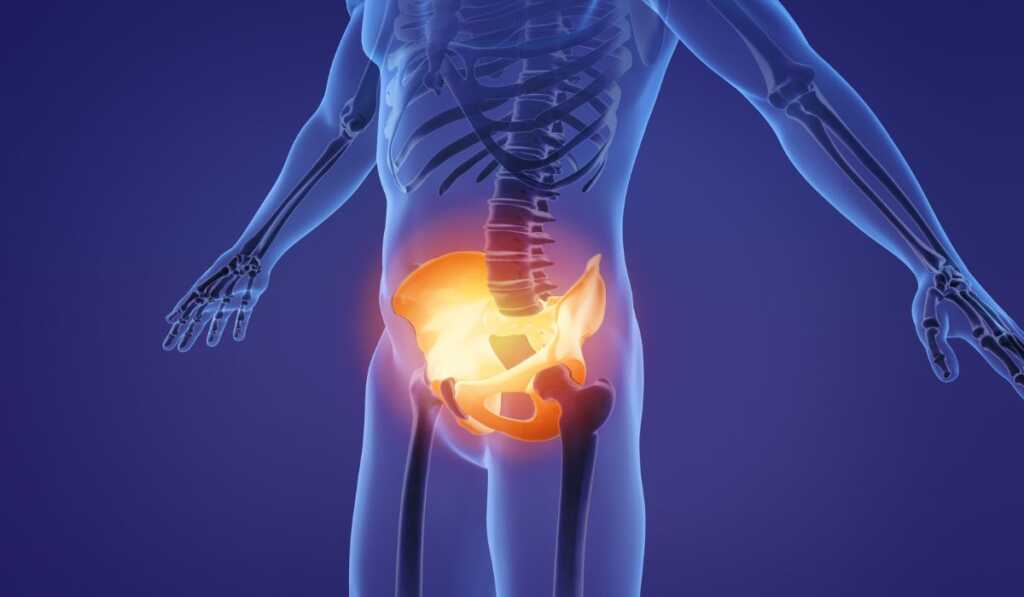
In men with Chronic Pelvic Pain Syndrome (CPPS), physiotherapy plays a crucial role in managing the condition, particularly when there is involvement of pelvic floor muscle dysfunction. The objective assessment by a physiotherapist aims to identify specific physical factors that may be contributing to the patient’s pain, including musculoskeletal, postural, and neurological elements.
Here’s an outline of a typical physiotherapy objective assessment for CPPS in men:
- Subjective History
Before the objective assessment, the physiotherapist will gather detailed information about the patient’s pain, including its location, intensity, duration, aggravating and relieving factors, and any associated symptoms like urinary, bowel, or sexual dysfunction.

- Postural Assessment
- Posture evaluation: The therapist assesses the patient’s posture, including pelvic alignment, spinal curvature, and any muscle imbalances that could contribute to pelvic pain.
- Gait analysis: Observing the way the patient walks to identify asymmetries, compensations, or altered movement patterns that may affect the pelvic region.
- Sitting posture: Since sitting for long periods can exacerbate CPPS symptoms, the physiotherapist may evaluate how the patient sits, looking for tension or abnormal posture in the pelvic region.
- Pelvic Floor Muscle Assessment
A key aspect of the assessment is evaluating the pelvic floor muscles, as dysfunction or hypertonicity (excessive tightness) is often a significant contributor to CPPS.
- Palpation: The therapist may perform external or internal palpation of the pelvic floor muscles to assess for tenderness, muscle tightness, spasms, or trigger points.
- External palpation: The therapist can feel for tension or tenderness by palpating the perineum, lower abdomen, or inner thighs.
- Internal palpation: In some cases, an internal examination via the rectum may be conducted to directly assess the tension and function of the pelvic floor muscles.
- Muscle tone: The therapist evaluates whether the muscles are overactive (hypertonic), weak, or imbalanced. Overactivity can lead to pain and dysfunction, while weakness can contribute to a lack of pelvic support.
- Pelvic floor muscle contraction and relaxation: The patient may be asked to contract and relax their pelvic floor muscles, and the physiotherapist will assess the strength, control, and coordination of these movements. This is particularly important to identify if muscle tension is contributing to pain.

- Abdominal and Pelvic Palpation
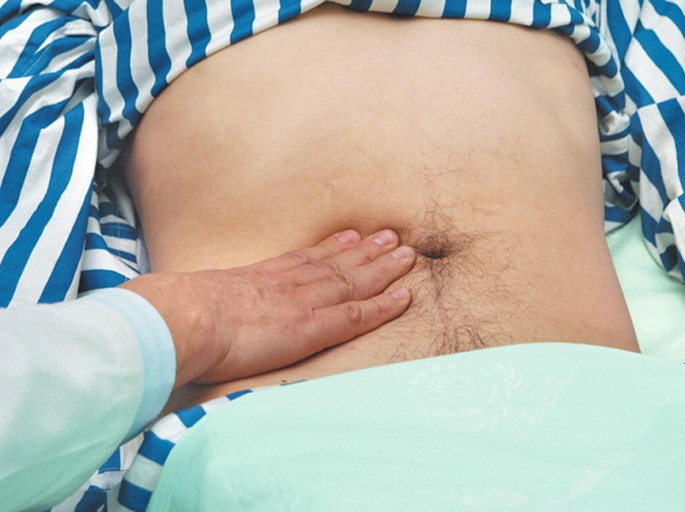
- The physiotherapist gently palpates the abdomen and pelvis to identify areas of tenderness, tension, or muscle guarding. The abdominal muscles, especially the lower abdominals, may be tight or painful due to overcompensation for pelvic floor dysfunction.
- Diaphragm and breathing patterns: The physiotherapist assesses the patient’s breathing patterns, particularly diaphragmatic breathing. Poor breathing mechanics can increase intra-abdominal pressure and affect pelvic floor function, contributing to pain.
- Hip and Lumbar Spine Assessment
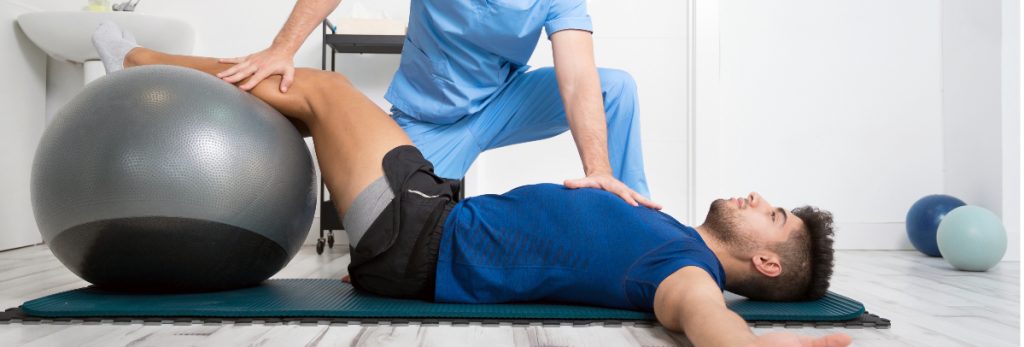
- Hip joint range of motion: The therapist assesses the range of motion of the hip joints to identify restrictions or tightness, which may influence pelvic alignment and pelvic floor muscle function. Hip flexor and adductor tightness, in particular, can be associated with CPPS.
- Strength and flexibility: Assessment of the surrounding muscles, including the glutes, hip flexors, hamstrings, and adductors, to check for weakness, tightness, or imbalances that may contribute to abnormal pelvic mechanics.
- Spine mobility: Assessment of the lower back (lumbar spine) mobility to check for restrictions, as the spine and pelvis are closely related biomechanically. Limited spine movement can lead to compensatory patterns in the pelvis, affecting muscle function.
- Core Stability Assessment
- Core muscle engagement: The physiotherapist may assess the activation and strength of the core muscles, including the transversus abdominis and multifidus. Proper core stability is important for supporting the pelvis and maintaining proper posture.
- Functional movement tests: The patient may be asked to perform certain movements (e.g., squats, leg lifts) to evaluate how well the core muscles support the pelvis and lower back during activity.
- Neurological Examination
- Sensory testing: The physiotherapist may assess for altered sensation (e.g., numbness, tingling) in the pelvic region, which could indicate nerve involvement (e.g., pudendal nerve entrapment).
- Reflexes and muscle tone: Testing reflexes and muscle tone to check for any abnormalities that may suggest neurological issues contributing to CPPS.
- Nerve mobility tests: These tests evaluate the function and mobility of the nerves in the pelvic region. For example, the therapist may perform a slump test or straight leg raise to assess for any nerve tension or irritation.
- Functional and Pain Provocation Tests
- Trigger point identification: Using gentle pressure, the physiotherapist may identify trigger points or hyperirritable spots in the pelvic, abdominal, or hip muscles that reproduce the patient’s pain.
- Pain mapping: The therapist may perform “pain mapping” by applying pressure to specific pelvic or abdominal areas to identify the exact location of pain and its pattern of radiation.
- Sacroiliac joint (SIJ) and pelvic alignment: The therapist may assess the function of the sacroiliac joints to identify any misalignment or dysfunction that could be contributing to pelvic pain.
- Bladder and Bowel Function Assessment
- Bladder control: Assessment of urinary symptoms, including urgency, frequency, or incontinence, may be relevant to understanding pelvic floor muscle involvement.
- Bowel function: The physiotherapist may ask about bowel habits, as constipation or straining can affect the pelvic floor muscles and contribute to pain.
- Pelvic Floor Muscle Biofeedback (if available)
- In some cases, biofeedback may be used to assess how well the patient can control their pelvic floor muscles. This involves using sensors to provide real-time feedback about muscle activity, helping the patient and therapist understand muscle function.
Role of Physiotherapy in Managing CPPS
After the objective assessment, the physiotherapist uses the findings to develop an individualized treatment plan. Treatment may include:
- Pelvic floor muscle relaxation techniques.
- Manual therapy to release trigger points and improve muscle tension.
- Stretching and strengthening exercises.
- Core stability and posture correction.
- Breathing exercises to improve diaphragmatic breathing and reduce tension in the pelvic area.
This comprehensive assessment ensures that treatment addresses the specific physical factors contributing to the patient’s pelvic pain.
In men, CPPS is commonly confused with prostate problems, but it doesn’t always involve the prostate.
When to see physio
- Persistent Pelvic Pain (Over 6 Months)
If you’ve been experiencing chronic pain in your pelvic area for more than six months and medical evaluations (e.g., from your urologist or general practitioner) have not identified a specific cause or have ruled out infections, tumors, or other serious conditions, you should consider seeing a physiotherapist.
- CPPS often involves pelvic floor muscle dysfunction, which is not always addressed in regular medical consultations. A physiotherapist with expertise in pelvic health can assess if muscle tightness, spasms, or dysfunction are contributing to your symptoms.
- Pain During or After Urination or Bowel Movements
If you experience pain or discomfort during or after urination, defecation, or bowel movements, it may indicate issues with the pelvic floor muscles. These muscles can become tight or dysfunctional, contributing to CPPS symptoms. A physiotherapist can help by addressing muscle imbalances and guiding you on proper pelvic floor function.
- Pain During or After Sexual Activity
If you have pain during or after sexual activity, particularly during ejaculation or in the perineal area (the area between the scrotum and anus), this could be related to pelvic floor tension or muscle dysfunction. A physiotherapist can perform a detailed assessment and provide treatment focused on relaxing and strengthening these muscles.
Location
We are located at Mid Valley Kuala Lumpur:
Vigor Men’s Pelvic Health Centre
Unit 1-10, Level 10, Boulevard 1&3,
Mid Valley City, Lingkaran Syed Putra,
59200, Kuala Lumpur,
Malaysia.