
Chronic Pelvic Pain Syndrome (CPPS) Rehab Plan
Chronic Pelvic Pain Syndrome (CPPS), previously known as chronic nonbacterial prostatitis, is a condition with long-term pelvic pain without evidence of a bacterial infection affecting men. The condition is characterized by ongoing disabling pain around the pelvis, genitals or perineum with no identifiable cause that can develop over months or years.

What are the symptoms of CPPS?
Prostatitis-related conditions are the most commonly diagnosed urological issue in men under the age of 50, manifesting in symptoms such as pelvic pain, bladder and sexual dysfunction, and psychological issues. Sometimes prostatitis is due to a bacterial infection, however, 90-95% of cases are considered non-bacterial and fall under the Chronic Pelvic Pain Syndrome (CPPS) category (Doiron, Shoskes & Nickel, 2019).

Pain while sitting

Erectile Dysfunction

Constipation
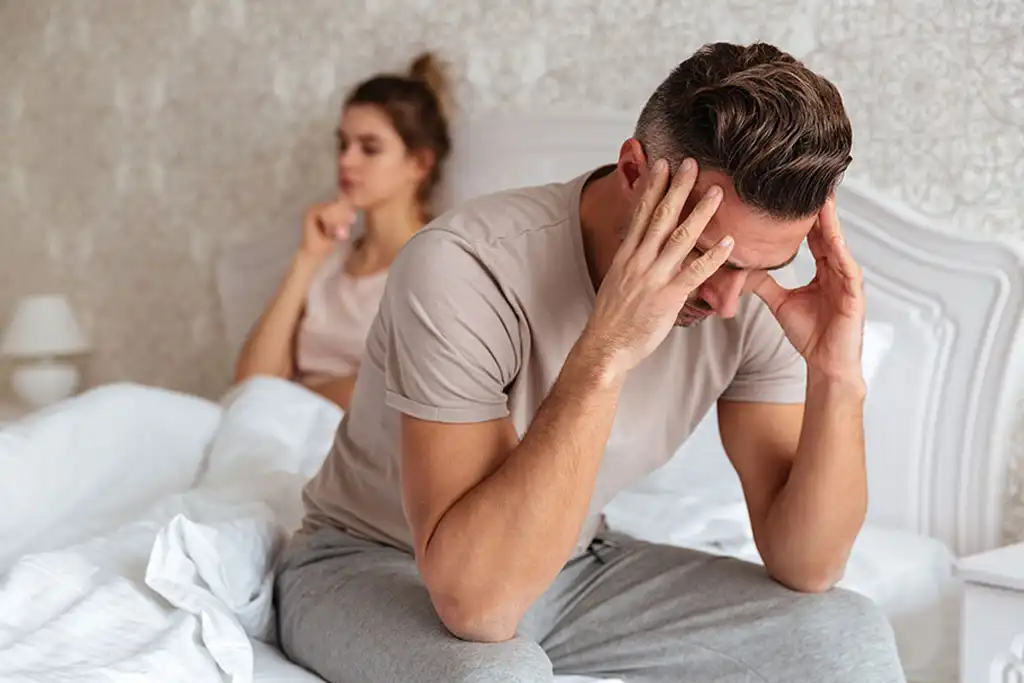
Pain during or after sex

Genital pain
How do we relieve your CPPS ?
Treatment regimens may include specific pelvic floor physiotherapy, biofeedback, local heat application, and the teaching of relaxation exercises. We encourage urologists to seek out collaboration with their local physiotherapist with an interest in treating the pelvic floor. (R. Christopher Doiron, MD and J. Curtis Nickel, MD, FRCSC, 2018)

Manual therapy
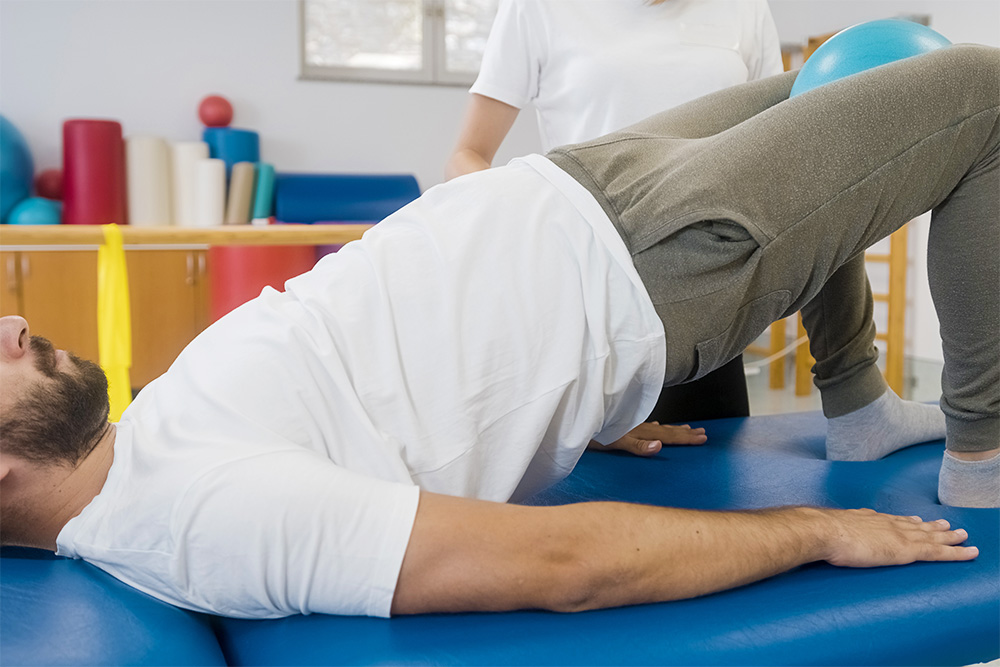
Therapeutic exercises

Biofeedback
Evidence-based Treatment for your best outcome
Biofeedback
To facilitate strengthening and relaxation of pelvic floor musculature. It is a helpful modality to teach the patient to avoid unnecessary increased resting muscle tone. Patients in weekly and biweekly physical therapy sessions up to six to eight treatments, are found to show significant improvement.
(Cornel E, van Haarst E, Schaarsberg R, Geels J, 2004)
Manual Therapy
Manual therapy for myofascial trigger point release, including internal and external manipulation of the pelvic floor and abdominal musculature.
(Masterson TA, Masterson JM, Azzinaro J, Manderson L, Swain S, Ramasamy R, 2017)
Therapeutic Exercises
Therapeutic exercises to promote range of motion, improve mobility/flexibility and strengthening weak muscles.
(Masterson TA, Masterson JM, Azzinaro J, Manderson L, Swain S, Ramasamy R, 2017)
Side effects on taking long term muscle relaxants
Muscle relaxants are also commonly used for symptom relief when pelvic floor muscle spasm is contributing to the patient’s pain. Oral muscle relaxants may help reduce overall muscle tone that is perceived to be painful but are not specific for the pelvic floor.
Each type of prescription muscle relaxer has different possible side effects. It’s important to talk to your provider or a pharmacist about possible side effects of the specific medication you’re taking or thinking of taking.
In general, common side effects of muscle relaxants include:
- Drowsiness and fatigue.
- Dizziness.
- Nausea.
- Headache.
- Dry mouth.
Muscle relaxers can cause more serious side effects like fainting and blurred vision.
Roles of Pelvic Floor Physiotherapist
Through targeted interventions and personalized care plans, physical therapists aim to achieve several key goals in addressing chronic pelvic pain syndrome. Here are the primary goals of physical therapy in managing chronic pelvic pain:
- Pain Reduction – Shockwave therapy, Estim & trigger point relief.
- Muscle Rehabilitation – pelvic floor muscle strengthening & lower limb muscles stretching
- Postural Correction
- Biofeedback and Neuromuscular Reeducation
- Education and Lifestyle Modifications
Through individualized treatment plans and education, physical therapists empower patients to regain control over their pelvic health and enhance their overall quality of life.
As awareness of the role of physical therapy in managing chronic pelvic pain continues to grow, more individuals can access effective, evidence-based care to alleviate their symptoms and restore function.
Benefits of Pelvic Floor Therapy for CPPS
Relieving Pelvic Pain and Discomfort
Pelvic floor therapy is a non-invasive treatment option for chronic pelvic pain syndrome (CPPS) that focuses on the muscles, ligaments, and connective tissues in the pelvic region. By targeting these specific areas, pelvic floor therapy can help to alleviate pain and discomfort caused by CPPS. This can be especially beneficial for individuals who have tried other treatments without success, as pelvic floor therapy addresses the root cause of the pain rather than just managing symptoms.
Improving Urinary and Sexual Function
The pelvic floor muscles play a crucial role in urinary and sexual function. When these muscles are tight or weak, it can lead to issues such as urinary incontinence, frequent urination, and sexual dysfunction. Pelvic floor therapy can help to strengthen and relax these muscles, improving bladder control and sexual function. This can greatly improve the quality of life for individuals with CPPS, as these issues can be embarrassing and affect daily activities.
Reducing Muscle Tension and Spasms
CPPS can cause the pelvic floor muscles to become tense and spasm, leading to pain and discomfort. Pelvic floor therapy uses techniques such as manual therapy, stretching, and relaxation exercises to release tension and reduce spasms in these muscles. This can provide significant relief for individuals with CPPS, as well as prevent future flare-ups.
Enhancing Overall Quality of Life
Chronic pelvic pain can greatly impact an individual’s quality of life, affecting their physical, emotional, and social well-being. By addressing the underlying issues causing CPPS, pelvic floor therapy can help to improve overall quality of life. This can include reducing pain and discomfort, improving bladder and sexual function, and increasing mobility and flexibility. Additionally, pelvic floor therapy can also help to reduce stress and anxiety associated with CPPS, leading to a better overall sense of well-being.
What to expect
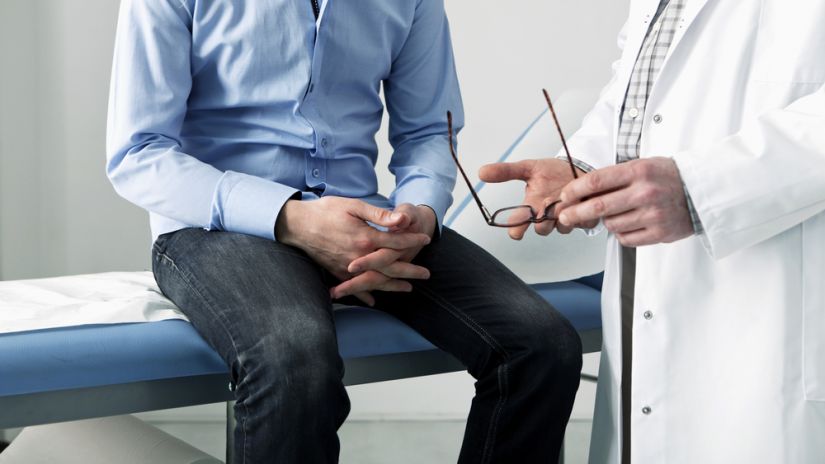
During the first visit, we will be take more time onto history taking and assessment on you. This is for us to understand you more about your condition.
The better the understanding about you, that will better for us to plan the treatment program for you.
After completed the treatment program for 2-3 months, there will be an outcome assessment and you can see how you progress and improve during this period.
FAQ
1.Is exercise good for CPPS?
Emerging scientific evidence suggests that engaging in a few hours of exercise a week may ease the symptoms of chronic prostatitis. (Harvard Prostate Knowledge, 2011)
2.How do you detect CPPS?
Three elements are essential to diagnose CP/CPPS, including
(a) symptoms occurring in perineal and/or low abdominal region,
(b) infection and/or inflammatory changes of the prostate with laboratory evidence of abnormal findings,
(c) clinical presentations (mainly pain and discomfort) derived from or associated with the prostate and lower urinary tract. (Jianzhong Zhang, ChaoZhao Liang, Xuejun Shang, and Hongjun Li, 2020)
3.Is it painful to get a digital rectal examination?
You’ll likely feel some pressing at this point. This shouldn’t be painful but you may feel a brief urge to urinate. If you do experience any pain you should tell your examiner straight away. ( Brandi Jones, 2023)
4.What is myofascial release within the pelvic floor?
Myofascial release techniques can help reduce muscle tension, improve oxygenation/blood flow/circulation in the perineum, reduce pelvic pain and improve pelvic floor dysfunction. It can help calm the nervous system by desensitising the area which is often very helpful if the main problem is pain in the area. (Blackberry clinic, 2024)
5.What are the symptoms of pelvic floor trigger point?
Painful sexual intercourse. chronic (long-term) pelvic pain. bladder issues, such as bladder pain syndrome and overactive bladder. defecatory dysfunction that involves symptoms such as constipation and pain during bowel movements.
6. How to tell if pelvic floor is tight or weak?
- Chronic constipation.
- Pain during sex (inner course, outercourse, or orgasm)
- Difficulty starting or stopping urine flow.
- Painful urination or urinary urgency and/or frequency.
- Low back, pelvic, or tailbone pain.